Training Tip: Thinking of Starting a Colt? Be Realistic of Your Ability.
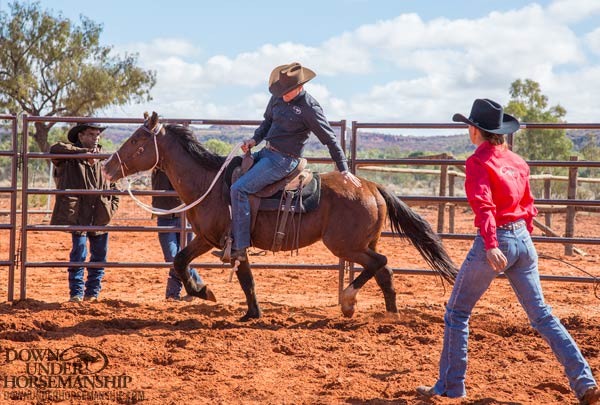
When it comes to starting colts, you need to be as realistic of your ability as you possibly can be. One of the first requirements is having an independent seat, which means that you can walk, trot and canter on a loose rein and you don’t need to squeeze with your legs or pull on the reins to stay in the saddle. It’s important to have an independent seat because colts are going to do silly things from time to time. They’re like kids–you love them to death, but they’re going to do things that drive you insane and embarrass you at times. Colts will jump left and right and do things you aren’t expecting. And when they do it, they’re not going to send you a big telegram five minutes ahead of time saying, “Hey Fred, I’m going to jump left in 20 seconds.”
A good horseman can always feel something coming, but there might only be half a second before it happens. An inexperienced person, or someone who hasn’t started many colts, isn’t going to be in tune with a colt to that degree and can quickly find themselves in dangerous situations. It’s normal for colts to get a little worried when being ridden—sometimes they get goosy or shoot forward. It’s not a big deal if you stay relaxed and ride through it. However, if you panic and pull on the colt, it will just scare him even more and ruin his confidence. Little moments like that can be the difference between an outright disaster or a non-event.
If you don’t feel confident in your ability to stay with the horse, then you’re not ready to start a colt. It is very important that the first several rides a young horse has go well because they set the stage for his future. If you act cautiously or sneak around a colt, he’ll pick up on your nerves and react himself. When getting on a colt, you need to be confident and a leader he can trust. If you’re a ball of nerves, the situation will turn dangerous quickly.
